Hedge Trimming in Barking for neat, healthy garden boundaries
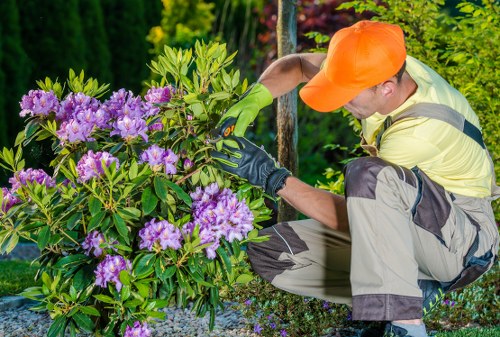
Hedge trimming in Barking is a practical way to keep garden boundaries tidy, balanced and manageable through the seasons. Whether you need a one-off cutback or regular shaping, our service focuses on the parts of hedge care that matter most to homeowners, landlords and property managers: keeping growth under control, improving the outline of the planting and helping the hedge remain an effective screen without becoming overgrown. We work with the hedge in front of us, not a one-size-fits-all approach, so the finish suits the plant, the setting and the level of maintenance you want.
Well-timed trimming is about more than appearance. A carefully cut hedge can let in more light, reduce awkward overhang and make boundaries easier to manage along paths, drives and adjoining gardens. Different hedge types need different treatment, and a good result depends on using the right cut, the right height and the right amount of reduction. We aim for a result that looks deliberate rather than hacked back, with an even line, sensible density and a shape that sits comfortably within the space.
To request a quotation, send us the basic details of your hedge and the work you want done. If you already know the approximate length, height and access situation, that is useful; if not, a simple description is enough to begin with. Pricing and quotes explains the kind of information that helps make a quotation more accurate, while our team can discuss whether the job is best handled as a tidy trim, a reduction or a fuller seasonal cut.
Regular hedge care and shaping
Routine hedge trimming suits gardens where the planting is already established and simply needs keeping within bounds. This can include topping and side reductions, re-establishing a straight edge, and making sure the hedge stays clear of fences, gateways and overhanging routes. For many gardens, the aim is to maintain a consistent shape rather than start from scratch, so the work is paced to preserve density and avoid exposing bare inner stems more than necessary.
Our hedge trimming service is centred on shaping and maintaining hedges of different sizes and forms, with attention to the plant’s condition as well as the visible finish. In practice, that might mean a careful reduction for a hedge that has got too wide, a lighter seasonal tidy for one that is already close to size, or a cleaner profile where informal growth has become uneven. If you are planning broader garden work as well, garden maintenance can be useful for combining hedge care with other ongoing tasks in a single visit.
For a simple quotation, it helps to note three things: what kind of hedge it is, how much of it needs cutting back, and whether there are obstacles such as parked vehicles, narrow side access or fixed structures nearby. We do not need a long explanation at the start, but a clear description helps us understand the scope. If you are comparing options, you can send one enquiry and ask whether a trim, reduction or tidy is the most suitable approach for your hedge.
Reducing overgrowth without losing structure

Some hedges need more than a light trim. When growth has moved beyond the intended line, the work may involve reducing width, correcting height or easing back sections that have started to dominate a boundary. The aim is to restore a practical outline while respecting the hedge’s form and the limits of the plant. That can be especially useful where a hedge has become difficult to pass, is shading too much of a path or is encroaching into a neighbour-facing boundary.
Garden clearance is available when hedge work forms part of a broader tidy-up that includes unmanaged garden growth or accumulated cuttings. It is not the same as routine shaping, because the emphasis is on clearing a space and making it workable again, but there is often overlap where long growth, littered borders or blocked access need addressing alongside the hedge itself. For trees that are causing similar issues, tree lopping and removal covers more substantial woody growth that may need separate attention.
When a hedge has been left for a long time, a staged approach may be more sensible than trying to force it into shape in one cut. The right finish depends on the species, the time of year and how dense the growth is at the point of trimming. We can discuss what is realistic, what needs to be retained for privacy or screening, and where a gentler reduction may be the better option than an aggressive cut. That way the result is more likely to hold its form and recover well.
Hedge trimming around garden design and boundary features
Hedges often sit alongside other features that affect how they should be cut. A line beside decking, fencing or paved access may need a cleaner edge, while a hedge framing a front garden may benefit from a more formal shape and a crisp top line. We can trim to support the layout of the garden rather than simply removing growth at random, keeping sightlines, access points and boundary edges in mind throughout the job.
Decking services may be relevant where a hedge is growing close to a seating or circulation area and you want the surrounding space to feel more open and usable. Likewise, landscape gardening covers wider garden changes where the hedge forms part of a larger layout or planting scheme. In those situations, hedge trimming can be planned to complement the shape of the garden instead of working against it.
Good hedge work is often about small decisions: whether the hedge should taper slightly toward the top, how much to preserve for privacy, and how to stop the face of the hedge becoming uneven after uneven seasonal growth. We can help with those choices in a straightforward way. If you are unsure whether your hedge needs a light tidy, a medium reduction or a more involved reset, a brief description is usually enough to start the conversation.
What a tidy hedge finish can improve
A carefully trimmed hedge does several jobs at once. It sharpens the appearance of the garden, keeps the boundary contained and can make maintenance simpler going forward. Trimming also helps avoid the sort of leggy growth that can leave a hedge looking thin at the base and bulky at the top. The visible result is cleaner, but the practical effect is just as important: the hedge is easier to manage, the line is easier to read and the whole space tends to feel more deliberate.
Services overview gives a broader picture of the garden work we can support, while hedge trimming remains one of the most useful ways to keep established planting under control. In some cases, regular cuts are better than waiting until the hedge becomes too large. In others, an occasional more thorough cut is all that is needed to restore order. Either way, the work should be matched to the condition of the hedge rather than treated as an identical job every time.
If you already know the hedge needs attention, it is usually worth deciding whether you want a visual tidy, a reduction in bulk or a general boundary reset. Those are different jobs, even if they overlap in places. A concise note on the outcome you want helps us interpret the request properly, and it gives you a better chance of receiving a quotation that reflects the actual scope rather than a guess.
Shaping formal and informal hedges

Some gardens suit crisp, regular lines; others look better with a softer, more natural shape. Hedge trimming can support either approach. A formal hedge usually benefits from straight edges, a level top and repeated maintenance at the right time of year. Informal hedges may need lighter, more selective cutting so they keep their character while still remaining within bounds. The main point is to let the hedge suit its role in the garden rather than forcing every plant into the same finish.
Lawn mowing may not be a hedge service, but it often sits alongside hedge trimming in a well-kept garden because both affect the overall sense of order. When the grass, edging and hedge line are all managed sensibly, the result reads as one maintained space instead of separate tasks tackled at random. For gardens where planting and hard landscaping need a more joined-up approach, landscaping is a relevant option to consider alongside regular hedge care.
Formal hedges generally need more consistency, while informal boundaries allow a little more variation in line and texture. If you are not sure which style your hedge suits, we can discuss the options in practical terms and keep the advice focused on the hedge’s shape, species and current condition. That helps avoid unnecessary cutting and keeps the result aligned with the garden around it.
Managing cuttings, access and working space
Hedge trimming is not only about the cut itself; it also involves handling the material removed and working safely within the available space. Dense trimmings can be bulky, especially where the hedge has not been cut for some time. Access matters too, because side passages, narrow entries, nearby planting and fragile surfaces all influence how the job is organised. A neat finish depends on the work being done methodically from the start rather than rushed at the end.
For jobs where waste handling becomes a bigger part of the task, recycling and sustainability sets out our approach to managing garden material responsibly where possible. If the hedge sits in a larger outdoor project, that can be relevant as part of the planning. In more involved clearances, the handling of cuttings may be one element of a wider tidy-up, so it helps to mention whether you want the arisings left neatly stacked or removed as part of the work.
Two useful details are often enough at the quotation stage: how much hedge there is and what the site access is like. A photo can help, but it is not always essential if your description is clear. If the hedge is particularly tall, awkwardly positioned or close to obstacles, saying so early on avoids confusion later. Clear information makes it easier to suggest the right approach without adding unnecessary steps.
When hedge work needs a broader garden tidy
Sometimes hedge trimming is only one part of the work needed to restore a garden to order. Overgrown borders, scattered cuttings and untidy adjacent planting can all make the hedge seem worse than it is. In those cases, the most useful solution is often to combine the cut with other maintenance so the whole area looks more coherent afterwards. That can be a more sensible route than repeatedly trimming the hedge while leaving the surrounding growth untouched.
About us can provide background on the business, while the service pages are the better place to understand what is included in the work itself. Where different tasks overlap, we can help you decide whether the hedge should be treated as a standalone job or as part of a wider garden visit. For some properties, that may mean keeping a boundary hedge neat; for others, it may mean bringing several areas back into a manageable condition together.
If you want to request a quotation, the most useful next step is to describe the hedge, the access and the finish you want. You do not need to write a long brief. A short message is enough to begin with, and then we can ask for any missing detail if needed. Start with the hedge size, height and condition, and we can take it from there.
Practical quotation details for hedge trimming
Price depends on the amount of hedge involved, the degree of reduction required, how long it will take to complete and whether the site presents any access or disposal challenges. A light seasonal trim and a substantial reduction are not the same job, so the scope matters more than a single label. It is also useful to know whether the hedge is one continuous run or broken into separate sections, as that can affect the overall handling of the work.
Pricing and quotes is the best place to start if you want to understand how we approach quotation requests. If you are comparing several garden tasks, garden maintenance can help you think about whether hedge work is part of an ongoing pattern or a one-off visit. Either way, the aim is to keep the enquiry clear enough that the quotation reflects the actual work you want done.
For the best result, send a brief note that covers the hedge type, approximate size and any features nearby that need care. You can also mention whether you want the hedge left at a particular height or reduced to a more practical line. We welcome straightforward quotation requests, and a concise description is usually the quickest way to move from first contact to a useful reply.
About Barking

Barking is a district in East London that sits within the London Borough of Barking and Dagenham. Historically, it developed as a riverside settlement on the River Roding, with links to fishing, market gardening, brewing and later urban expansion. Barking Abbey once stood as a major religious centre, and although the abbey is no longer intact, its history still shapes how the area is understood. The district contains a mix of older streets, post-war housing, civic spaces and newer development, reflecting repeated phases of change over many centuries.
The town centre has long been the focal point of civic and commercial life, with Barking station acting as an important transport interchange. The area also includes places associated with heritage and open space, such as Abbey Green and the riverside routes that follow the Roding and nearby waterways. Barking Park provides a substantial green space close to the centre, while the surrounding streets show a varied built environment that ranges from traditional terraces to later housing estates and modern apartment schemes. The architecture is therefore mixed rather than uniform, which is typical of a place that has been shaped by both historic settlement and large-scale twentieth-century growth.
Barking’s identity is also tied to its cultural life and its connection to wider east London. Markets, local venues and community facilities contribute to an active day-to-day character, while nearby routes into London make it part of a much broader urban network. The area is defined by layers: river, monastic history, railway-era expansion and modern regeneration. That combination gives Barking a distinct position within the capital, with a landscape that remains recognisably urban but still holds traces of its older local character.
Hedge trimming choices for homes and managed properties
Different properties need different hedge solutions. A private garden may need a neat seasonal cut to keep the boundary attractive, while a rented property or managed exterior may call for a more consistent maintenance pattern to keep access and appearance in order. Our hedge trimming service is built around those practical outcomes. We can adapt the cut to suit the setting, the current shape of the hedge and the level of maintenance that makes sense for the site.
Insurance and safety explains the standards we work to when carrying out outdoor jobs, which is particularly relevant where ladders, tools or awkward access are involved. Where the hedge forms part of a broader planted area, landscape gardening can also be useful if you are looking at more than just a single boundary. The aim is to choose the right level of work rather than over-treating the hedge or leaving it uneven.
In many cases, the best hedge is one that quietly does its job without demanding attention. That means keeping the line controlled, the height sensible and the faces even enough to shed growth in a managed way. If your hedge has begun to sprawl, lean or lose shape, a considered trim can bring it back to a more orderly state. Tell us what you want the hedge to achieve, and we can discuss the most suitable approach.
Requesting hedge trimming in Barking

If you are ready to move forward, a quotation request can be kept simple. Say where the hedge is, describe roughly how large it is and explain whether you want a light tidy, a reduction or a more substantial shape correction. Mention anything that may affect access or working space, especially if the hedge sits close to a wall, fence, driveway or narrow passage. Those basics are enough to begin a useful conversation without making the process complicated.
Request a quotation when you are ready, or send a plain enquiry if you prefer to outline the hedge first and decide on the detail later. We can then look at the practical scope, the likely cutting approach and any extra points that should be considered before work begins. If your hedge is part of a larger garden project, say so in the same message so the quotation can reflect the full task rather than one element in isolation.
For many customers, the value of hedge trimming is in having a clear, managed boundary that fits the garden and stays within bounds over time. Whether you need a periodic tidy or a more involved correction, we are ready to discuss the work and prepare a quotation based on what is actually needed. Ask for your quotation today and we will take it from there.