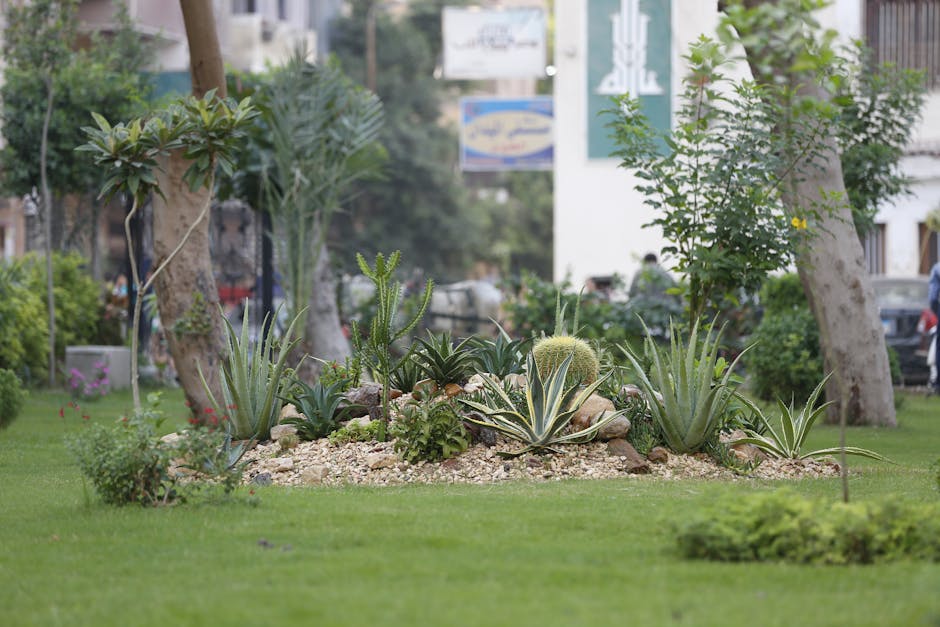
Small garden ideas near Barking Park for gardeners
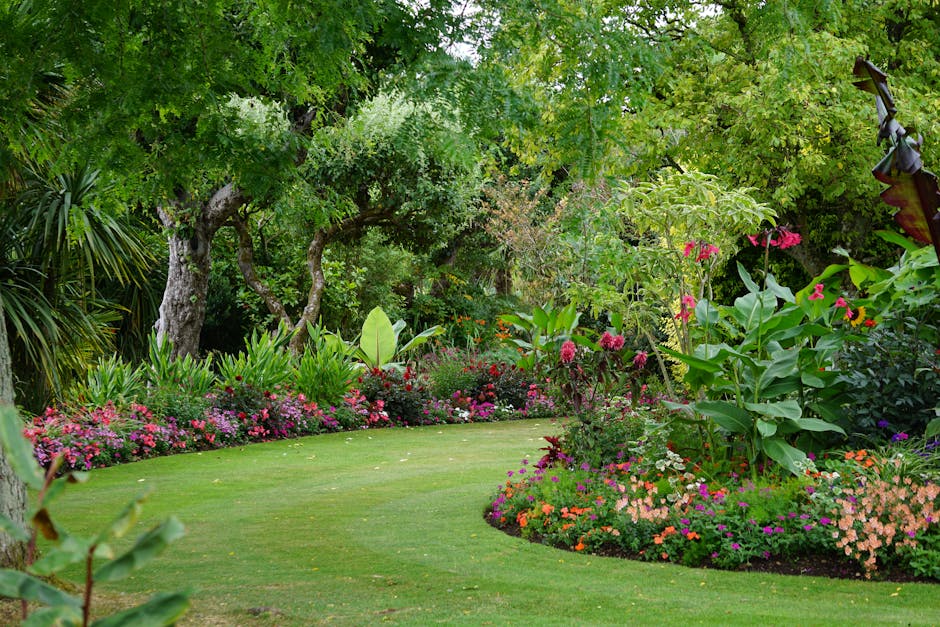
If you are working with a compact plot near Barking Park, you already know the challenge: not much space, plenty of ambition. The good news is that small gardens can feel generous, calm, and surprisingly productive when they are planned well. In fact, the best small garden ideas near Barking Park for gardeners are usually not about cramming more in. They are about choosing the right structure, the right plants, and a layout that makes every square metre earn its keep.
Whether your garden is a narrow London yard, a modest front space, or a small back garden that gets a mix of shade and bright afternoon light, you can still create something that feels inviting and useful. This guide covers practical ideas, common mistakes, and the small design decisions that make a big difference. You will also find a clear step-by-step approach, a checklist, and a realistic example from a typical local garden. Nothing fluffy. Just the sort of advice that helps you get started and, crucially, keeps the garden easy to maintain once the excitement fades a bit.
For gardeners who want a tidy, well-kept finish as part of the plan, it can also help to understand the wider support available through garden and hedge maintenance services, along with practical details about pricing and quotes if you are weighing up professional help. Small gardens often benefit from a mix of DIY effort and occasional expert support. That is not a weakness; it is just sensible.
Why Small garden ideas near Barking Park for gardeners Matters
Small gardens around Barking Park often sit in busy residential streets where space is precious and every design choice is visible. That makes the garden feel personal. It also means sloppy planning stands out quickly. A cluttered layout, a hedge that grows too wide, or a planting scheme that looks beautiful for three weeks and then turns scruffy can make the whole space feel smaller than it really is.
That is why the right small-garden approach matters. It is not just about looks. It is about comfort, ease of care, and making sure the garden works in real life. Can you move around without squeezing past pots? Can you open a bin store, sit in the shade, or reach the back border without trampling everything? These little things matter more than people expect. Honestly, they make or break the space.
Near Barking Park, you also tend to see a practical mix of homes, varied light conditions, and a fair bit of urban exposure. Some gardens are sheltered; others catch wind or get overlooked. So the best ideas tend to be flexible. They should handle shade, sun, and the odd missed watering without falling apart. A smart small garden is forgiving. That is the aim.
If the garden includes mature hedging or boundary shrubs, keeping the edges neat can also improve the sense of depth. A well-kept boundary frames the space rather than eating it. For readers who prefer a structured, tidy result with minimal fuss, the company's about us page is useful for understanding the local approach and service style, while insurance and safety information gives added reassurance when work involves ladders, cutting equipment, or confined access.
How Small garden ideas near Barking Park for gardeners Works
Good small garden design works on a simple principle: reduce visual noise, create clear zones, and choose plants and materials that do not demand constant attention. In practice, that means thinking in layers.
First comes the structure. Paths, patio space, raised beds, trellis, or a compact lawn area define how the garden is used. Then comes planting. Low, medium, and vertical planting layers help the eye move upward instead of being stuck on a flat, crowded floor plan. Finally, you add detail. Pots, seating, lighting, and a few focal points give the garden personality.
That sounds neat on paper, and it can be. But real gardens are a bit messier. You may need to work around a shed, a fence that slopes, a damp corner, or a tree that steals light in winter. The best small-garden ideas near Barking Park for gardeners are the ones that adapt rather than fight the space.
For example, a narrow garden can feel much bigger if you use one main route through it instead of several awkward turns. A shady garden can feel brighter if you use pale paving, reflective containers, and silver-leaved plants. A tiny suntrap can become a pleasant seating pocket with vertical climbers and a compact table. It is not magic. Just sensible layering.
Maintenance matters too. If the garden is planted with high-effort species that need constant pruning, staking, or deadheading, it quickly turns from a pleasure into another job. You want plants that keep their shape, fill gaps naturally, and are easy to manage across the seasons. That is why many local gardeners prefer a restrained plant palette over a chaotic mix of every nice plant they have ever seen. We have all been there, to be fair.
Key Benefits and Practical Advantages
When small gardens are planned well, the benefits are immediate and long-lasting. You notice the space feels calmer. You spend less time tidying. And somehow, because every feature has a purpose, the garden looks more intentional.
- Better use of space: compact layouts can support seating, planting, storage, and access without feeling cramped.
- Easier maintenance: fewer but better-chosen plants usually mean less pruning, less watering, and less debris.
- More visual depth: vertical features, mirrors of planting height, and repeating materials can make a small plot feel larger.
- Seasonal interest: a thoughtful planting scheme can look good across spring, summer, autumn, and even winter.
- Better everyday enjoyment: a garden that feels tidy and workable gets used more often, which is the whole point really.
There is also a practical value that gets overlooked. A small garden with neat edging, healthy planting, and controlled growth is usually easier to inspect, repair, and keep safe. Loose stepping stones, hidden trip edges, or overgrown corners are less likely to linger when the design is simpler. In the long run, that saves bother.
If you are trying to balance appearance and upkeep, the recycling and sustainability page may also be helpful, especially if you want to understand how green waste and garden material can be managed responsibly after pruning or clearance. A tidy garden should not create avoidable waste.
Who This Is For and When It Makes Sense
This approach suits a wide range of gardeners near Barking Park. It is especially useful if your space is small, shaded, narrow, overlooked, or a bit awkwardly shaped. It also makes sense if you want the garden to look good without spending every weekend on it. Let's face it, most people do.
You may find these ideas particularly useful if you are:
- a homeowner trying to improve a small back garden on a realistic budget;
- a tenant wanting low-impact, container-based changes;
- a keen gardener who wants more structure and better planting flow;
- someone with limited mobility who needs clear access and simple maintenance;
- a family needing a usable outdoor space that can handle daily life;
- an older gardener who wants beauty without heavy lifting.
It also makes sense if your current garden feels visually flat. Sometimes the problem is not size. It is just that everything sits at the same height, in the same tone, with no focal point. One raised bed or one climbing feature can change the whole mood.
If you are considering professional help, it is sensible to review how the work is handled, what is included, and how payment is managed. A quick look at payment and security and terms and conditions can save questions later. Not glamorous, perhaps, but useful. Very useful.
Step-by-Step Guidance
1. Measure what you actually have
Start with a simple sketch. You do not need architectural perfection. Mark the length and width, note doors, fences, drains, sheds, and any areas that stay wet or shady. A rough plan is enough to reveal how the space really works.
2. Decide the garden's main job
Ask yourself what matters most. Sitting? Growing vegetables? Low maintenance? Child-friendly space? A garden can do several things, but it should have one clear priority. Without that, the design gets muddled fast.
3. Clear out the visual clutter
Remove items that block movement or make the garden feel crowded. Old pots, broken furniture, too many ornament features, and oversized planters can shrink the visual field. You may be surprised how much bigger the space feels once a few things are gone.
4. Build a simple layout
Use one main path or one main paved area. If space is tight, avoid breaking the garden into too many tiny zones. A single clean route makes the whole thing easier to read. For many small gardens, that is half the battle.
5. Add vertical interest
Trellis, climbers, wall planters, and slim shelving can draw the eye upward. This is especially helpful in small urban gardens where ground space is limited. A wall can carry a lot of beauty if you let it.
6. Choose plants that suit the conditions
Do not fight the site. Shade-tolerant plants for shady corners, drought-tolerant options for sunny spots, and compact shrubs for structure all make sense. Try to keep the palette coherent. A few repeated plants often looks more polished than a dozen random ones.
7. Finish with practical details
Add seating, lighting, and storage only after the structure is right. A lovely chair in a badly planned garden still sits in a badly planned garden. Harsh, but true.
8. Set up the maintenance rhythm
Decide who will water, deadhead, cut back, and sweep. A small garden stays beautiful when it is lightly maintained often, rather than heavily rescued once a season. That rhythm matters.
If you prefer a more guided service route, the services overview page can help you understand how different garden tasks fit together, from hedge work to general outdoor tidying. Small gardens often benefit from one coordinated visit rather than several piecemeal fixes.
Expert Tips for Better Results
Use repetition deliberately. Repeating the same paving material, pot colour, or plant shape creates calm. Small spaces usually look better when they are edited, not crowded.
Keep edges crisp. Straight, clean edges around beds and paths make a garden look cared for even before you add flowers. It is a small thing, but you notice it straight away.
Go lighter where the space is darkest. Pale containers, lighter foliage, or reflective surfaces can soften shade. Not mirror-ball bright, obviously. Just enough to keep the garden from feeling heavy.
Choose a hedge height that suits the scale. Boundary planting can be lovely, but in a small garden a hedge that becomes too wide or tall will dominate. Regular trimming helps preserve light and breathing room.
Plan for the view from inside the house. Many gardeners focus on how the garden looks from the patio, but the kitchen window matters too. What do you see first thing in the morning? That view often shapes how happy the space feels.
Leave a little emptiness. Really. A small open patch of paving or mulch gives the eye somewhere to rest. Otherwise the whole space starts shouting at you. No one needs that before tea.
One practical thought from experience: if you are not sure whether to add one more pot, usually the answer is no. Step back, wait a day, and look again. Small gardens are best edited with a cool head, not a trolley full of enthusiasm.
Common Mistakes to Avoid
- Overcrowding the planting. Too many plants make a small garden feel chaotic and harder to maintain.
- Using too many materials. Mixing several paving colours, fence treatments, and pot styles can make the space feel chopped up.
- Ignoring access. A beautiful garden is still frustrating if you cannot reach the back corner or open a gate properly.
- Choosing thirsty plants for exposed spots. These often struggle in summer and create more work than expected.
- Letting hedges or climbers run unchecked. They can quickly swallow a tiny plot if left alone for too long.
- Forgetting winter structure. A garden that only works in July is a bit disappointing for the other eleven months.
A common one, and it happens a lot, is buying plants because they look good in the shop rather than because they suit the space. The label says one thing, the garden says another. The garden usually wins.
Tools, Resources and Recommendations
You do not need a van full of equipment to improve a small garden. A manageable kit is better than a huge one you never use.
- Basic hand tools: secateurs, a hand fork, trowel, and pruning saw for routine jobs.
- Measuring tape and notebook: useful for planning, spacing, and making sure you do not guess wildly.
- Good gloves and sturdy footwear: particularly important if you are clearing debris or pruning thorny growth.
- Watering can or hose setup: compact gardens often need targeted watering rather than broad, wasteful soaking.
- Compost or mulch: helps retain moisture and improve the look of bare soil.
- Simple storage solution: keeps tools out of sight, which matters more in a small space than people admit.
For readers thinking about professional input, it can help to read the company's health and safety policy and insurance and safety information. Those pages are the sort of quiet detail that builds confidence, especially if access is awkward or the work involves ladders, cutting tools, or enclosed spaces.
If you are more focused on the company background and service approach, the about us page and contact us page help you take the next step without guesswork. You can ask specific questions about the garden layout, hedge size, or ongoing upkeep. That is usually the moment things become much clearer.
Law, Compliance, Standards, or Best Practice
For small garden projects, the main compliance concerns usually relate to safety, neighbour relations, waste handling, and property boundaries. The exact rules depend on the work being done, but a cautious, respectful approach is always the safest option.
If you are pruning hedges, cutting back overgrowth, or clearing waste, best practice is to avoid blocking shared access, avoid trespassing across neighbouring land, and make sure debris is removed responsibly. If work is being carried out near walls, fences, or boundary features, it is wise to confirm ownership and check what sits on which side before changing anything major.
For anything involving ladders, power equipment, or limited access, it is sensible to expect proper risk awareness, protective equipment, and a tidy working method. This is one reason some homeowners prefer to review a provider's health and safety policy before booking. It is not overcautious. It is sensible.
Waste and recycling are another part of best practice. Green waste, woody cuttings, and mixed garden debris should be handled carefully rather than dumped in a corner to rot. If the aim is to keep the garden sustainable over time, small decisions like composting, reusing material, or arranging proper collection matter more than people think. There is no glamour in it, but there is peace of mind.
If you are ever unsure about permissions, boundary issues, or larger structural changes, seek qualified advice before starting. That is especially true if the garden has retaining features, drainage concerns, or anything that might affect neighbouring land. Better a quick question than a costly fix later.
Options, Methods, or Comparison Table
Not every small garden needs the same solution. The right method depends on how you use the space, how much time you want to spend on upkeep, and how much change you want to make at once.
| Approach | Best for | Benefits | Trade-offs |
|---|---|---|---|
| Container-led design | Renters, small patios, flexible layouts | Easy to move, simple to refresh, low commitment | Needs regular watering and feeding |
| Raised-bed layout | Growing herbs, veg, or compact ornamentals | Better soil control, easier access, tidy structure | Takes up room and needs a defined build |
| Vertical garden scheme | Narrow plots and wall-heavy spaces | Adds height and softens hard boundaries | Can look cluttered if overdone |
| Minimalist planting plan | Low-maintenance households | Clean look, easier care, strong visual calm | Needs good plant choice to avoid looking bare |
| Mixed-use compact garden | Families or social spaces | Supports seating, planting, storage, and play | Requires careful zoning to stay uncluttered |
In most small gardens near Barking Park, a hybrid approach works best. For instance, you might pair one strong paved seating area with a few raised planters and vertical climbers. That gives structure without feeling boxy. A pure container garden can be lovely, but it can also start to feel temporary if it lacks permanent anchors.
Case Study or Real-World Example
Imagine a modest back garden behind a terraced house near Barking Park. It is long and narrow, gets morning sun at the far end, and stays a bit shaded near the house. The owners want it to feel greener, but they also want somewhere to sit with a coffee on a Saturday morning without staring at a tangle of pots.
The first change is removing the overspill: old tubs, a cracked bench, and a few plants that have outgrown their corner. That alone opens up the eye line. Next, a simple path is kept clear down one side rather than across the whole garden. A compact seating zone is placed where the sun lands best. Then the back fence is softened with climbing plants on trellis, and a couple of repeated shrubs are added so the planting feels intentional rather than random.
The result is not a grand makeover. It is better than that. It is usable. The garden now has a place to sit, a view with depth, and a maintenance routine that does not feel impossible. The owners still have work to do in spring and autumn, of course, but the whole thing feels lighter. More manageable. More theirs.
That is what good small garden design does. It does not fight the size of the space. It works with it.
Practical Checklist
Use this quick checklist before you start any small garden project near Barking Park:
- Measure the space and note shade, sun, drainage, and access points.
- Choose one main purpose for the garden.
- Remove unused items and anything that makes the space feel crowded.
- Keep a clear route through the garden.
- Use vertical planting to add height without taking up floor space.
- Select plants that suit the light and maintenance level you can realistically manage.
- Repeat materials and plant types for a calmer look.
- Leave some open space so the garden can breathe.
- Check hedge growth, boundary lines, and neighbouring considerations before major changes.
- Plan how you will water, feed, prune, and tidy across the seasons.
If you can tick most of those boxes, you are already ahead of the game. Really, you are.
Conclusion
Small gardens near Barking Park can be some of the most satisfying spaces to design because every good decision is obvious. You can see the difference straight away. A clearer layout, calmer planting, and a few well-placed features can change a cramped outdoor area into a place you actually want to use.
The trick is not to do too much. Keep the structure simple, choose plants that suit the light and the maintenance level, and let the space breathe a little. If the garden needs a tidy boundary, a clearer shape, or help getting back under control, bring in support at the right moment rather than trying to wrestle everything on your own after work on a wet Tuesday. We have all been there, and it is no fun.
For gardeners wanting a practical next step, start with the layout, then the planting, then the finishing touches. That order keeps things manageable and gives the garden a better chance of looking good for the long run. And if you want the space to feel properly cared for, not just temporarily improved, a steady maintenance plan makes all the difference. Small can be beautiful. Small can be calm. Small can be enough.
Get a free quote today and see how much you can save.
If you want to explore the company's standards before moving ahead, you may also find the recycling and sustainability page and privacy policy helpful for understanding how information and garden waste are handled. It is one of those unglamorous details that quietly builds trust.
Frequently Asked Questions
What are the best small garden ideas near Barking Park for gardeners with limited time?
The best options are usually simple layouts with hardy, low-maintenance planting, a small seating area, and a limited colour palette. Container planting and compact shrubs are often easier to manage than more elaborate schemes.
How do I make a small garden look bigger without major building work?
Use clear lines, fewer materials, vertical planting, and repeated colours. Keeping the floor area visually open makes a big difference. Even reducing clutter can make the garden feel wider.
Are raised beds a good idea for small gardens?
Yes, if they are sized sensibly. Raised beds can improve access, help with soil quality, and add structure. The key is not to overbuild them so they dominate the whole plot.
What plants work well in a compact London garden?
It depends on the light, but many small gardens do well with compact shrubs, climbers, herbs, and reliable perennials that do not spread aggressively. Choosing plants that match your site is more important than chasing trends.
How often should small gardens be maintained?
A little and often is best. Light weekly attention during the growing season usually keeps things under control better than one big tidy-up every few months.
Do I need professional help for a small garden design?
Not always. Some gardeners are happy to do it themselves. But if the garden has awkward access, boundary hedges, heavy pruning needs, or safety concerns, professional help can save time and reduce risk.
What is the biggest mistake people make in small gardens?
Overcrowding. Too many plants, too many colours, and too many features can make a small space feel smaller and harder to maintain.
Can a small garden still support growing vegetables or herbs?
Absolutely. Herbs, salad leaves, tomatoes in containers, and compact vegetable varieties can work very well. You just need to plan for sun, watering, and access.
How do hedges affect small gardens?
Hedges can be excellent for privacy and structure, but if they become too wide or tall they can overwhelm the space. Regular trimming keeps them in proportion and lets more light into the garden.
What should I ask before booking gardening help?
Ask what is included, how the work will be done, whether the team is insured, how waste is handled, and what the payment terms are. Those practical questions are worth asking up front.
How do I keep a small garden tidy through winter?
Focus on structure. Evergreen planting, neat edges, and clear paths help the garden stay attractive even when flowers are gone. A quick winter tidy before the worst weather also helps a lot.
Where can I find more information about service standards and booking details?
The most useful pages are usually the service overview, pricing, insurance, and terms pages. They help you understand what to expect before you commit to anything.